In today’s digital-first world, having a strong online presence is no longer optional — it’s essential. A website is your business's online storefront and often the first place potential customers will interact with your brand. Here’s why every small business needs a website in 2025:
The Digital First Impression

Your website is often the first impression people have of your business. A clean, professional design builds trust and encourages visitors to take the next step — whether that's contacting you, making a purchase, or booking a service.
Special consideration should be given to your site's landing or "home" page, as this is the very first page users will see. You might want to showcase some of your services or customer reviews to prove your business is trustworthy. Be sure to also include links to important information including products or services, pricing, contact details, and any other essential information that your customers may want easy access to.
If you're currently looking to build your own website, check out our guides on 'website development tools' and 'website design best practices'.
Mobile Users and Local Search
With the majority of traffic on the web coming from mobile devices, your business needs to be accessible on people's smartphones, and to do that you'll want a mobile-friendly website.
Most of your customers probably find themselves making quick searches on their phone for products or services that you provide, you want to make sure that not only are you appearing as a result, but that your site is easy to view and navigate.
If your business relies on local customers, you'll want to pay close attention to how search engines work. Optimizing for local SEO ensures your business shows up when nearby users search for your services.
Trust and Professionalism
In 2025, having a professional online presence is no longer a luxury, but a necessity for any legitimate business. Without a website, you risk appearing outdated, untrustworthy, or even non-existent to potential customers. Having a well-designed website serves as a digital storefront which can mean the difference between a user skipping your business entirely, or becoming a satisfied customer.
By including the following key elements you can effectively reinforce trust and credibility with your visitors.
Testimonials
Testimonials from satisfied customers can go a long way in building trust and establishing social proof. By sharing real-life experiences and feedback, you can demonstrate the value and quality of your offerings. There are many platforms you can encourage your customers to leave reviews on, we often find most businesses use Google Reviews (google maps) or Trust Pilot.
Certifications & Credentials
Certifications and credentials can also help to establish your expertise and credibility within your industry. For example, if you're a medical professional, displaying your medical license or certification can give patients peace of mind. Similarly, if you're a business offering a specific service, showcasing your certifications or affiliations with industry organizations can help to build trust with potential clients.
Detailed Services
A detailed service description is also essential for helping customers understand what you offer and how you can help them. By providing clear and concise information about your services, you can differentiate yourself from competitors and establish your unique value proposition. This could include information about your work process, equipment and any relevant skills or qualifications. By being transparent and open about your services, you can build trust and establish a strong reputation with your target audience.
Your Business is Always Open
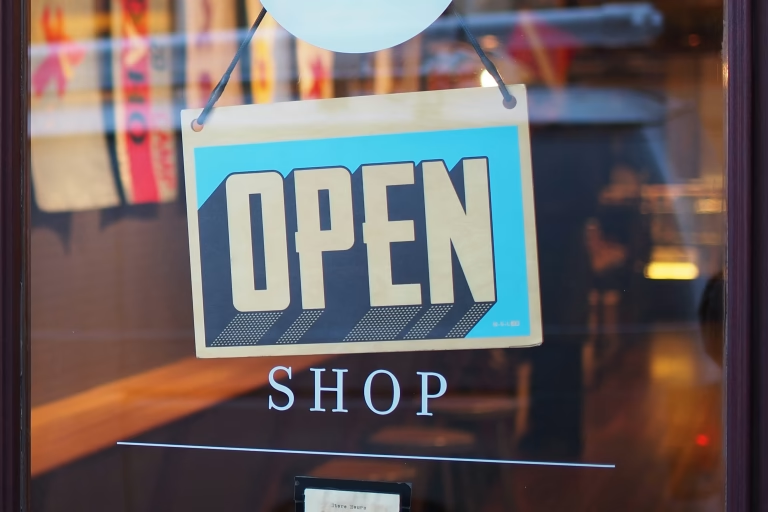
Owning a website provides your business with a powerful tool that works 24/7, providing potential customers continuous access to information about your business, answering questions even when your office or store is closed.
It's an always open sales and marketing department that works tirelessly to engage with your target audience, build trust, and drive conversions.